
Signs Your Lock May Have Been Tampered With
Coming home to find your front door looks slightly off can be unsettling. Lock tampering is more common than most people realise, and burglars often attempt entry without leaving obvious signs. Knowing what to look for can help you act quickly and protect your home.
Here are the key warning signs that your lock may have been tampered with:
1. Scratch Marks Around the Keyhole
Fresh scratches or marks around the keyhole that weren't there before are one of the most common signs of a lock-picking attempt. These are caused by tools being inserted into the lock cylinder. Look closely — the marks may be small but are usually visible on closer inspection.
2. The Lock Feels Different When You Turn the Key
If your key feels looser than usual, turns more easily, or the lock mechanism feels different, the internal pins may have been manipulated. A lock that previously required a firm turn but now feels smooth could indicate the pins have been damaged during a picking or bumping attempt.
3. Visible Damage to the Lock Cylinder
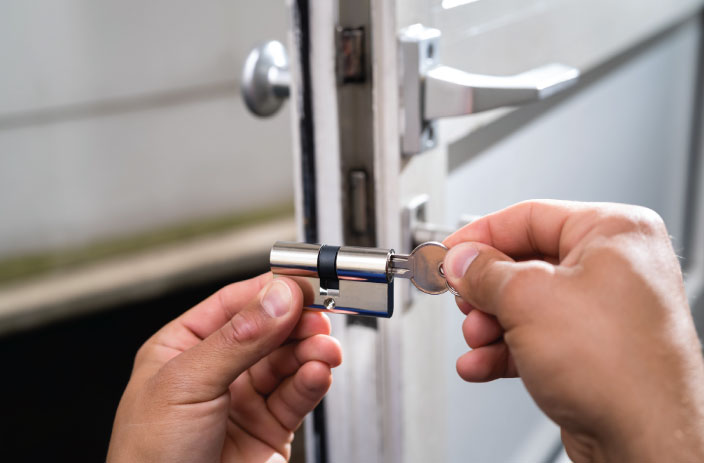
If someone has attempted to snap your Euro cylinder lock, you may notice the cylinder is protruding further than usual, appears cracked, or has visible damage around the edges. Lock snapping is one of the most common burglary methods in the UK — our guide on anti-snap locks explains why upgrading is essential.
4. The Door Frame Shows Signs of Force
Look for fresh marks, dents, or splintering on the door frame near the lock and latch area. This could indicate someone tried to force the door open using a crowbar or similar tool. Even if they didn't get in, the frame may be weakened and should be inspected.
5. Your Key No Longer Works Smoothly
If your key suddenly struggles to enter the lock or won't turn at all, something inside may have been damaged. This is common after a failed bumping or snapping attempt where internal components have shifted.
6. You Notice a Bent or Damaged Lock
Physical bending of the lock body, handle, or surrounding hardware is a clear sign of attempted forced entry. Even minor bending can compromise the lock's security.
What to Do If You Suspect Tampering
Do not enter your home if you think someone may still be inside. Call the police first. Once it's safe:
- Take photographs of any damage for your records and insurance
- Call a professional locksmith to assess and replace compromised locks
- Consider upgrading to anti-snap, anti-pick, anti-drill cylinders
- Report the incident to the police — even if entry wasn't gained, it's still attempted burglary
How to Prevent Lock Tampering
The best defence is making your locks harder to attack in the first place:
- Install anti-snap locks — standard Euro cylinders can be snapped in seconds. Upgrade to anti-snap cylinders for significantly better protection.
- Add a door chain or restrictor — provides a secondary barrier. See our guide to door chains and restrictors.
- Install a letterbox guard — prevents tools being inserted through the letterbox to reach handles or locks. Our letterbox guard guide covers what to look for.
- Use British Standard BS3621 locks — insurance-approved and significantly harder to defeat than budget locks. Learn more about BS3621 deadlocks.
- Consider smart locks — eliminate the keyhole entirely. See our smart lock guide.
If you're concerned about your home security or want a professional assessment, our local locksmiths can inspect your locks and recommend upgrades. We cover Coventry, Sheffield, Colchester, and all surrounding areas. Call 0330 133 1339 for a free security assessment.