Why Understanding Your Lock Matters
Most homeowners don't think about their door locks until something goes wrong — a lockout, a break-in, or an insurance claim that's rejected because the locks don't meet policy requirements. Understanding what type of lock you have helps you make informed decisions about security and maintenance.
Euro Cylinder Locks
Found on: Most modern uPVC and composite doors
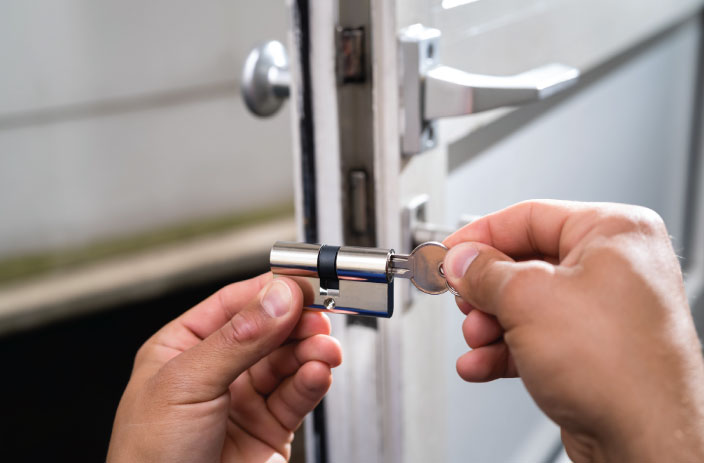
Euro cylinders are the most common lock type in UK homes. They're oval-shaped, slot into the door from the edge, and are held in place by a single screw. The key inserts from one or both sides.
Security rating: Standard Euro cylinders are very vulnerable to snapping — the most common UK burglary technique. Always upgrade to anti-snap cylinders.
Read more: Anti-Snap Euro Cylinder Guide | Why Anti-Snap Locks Are Essential
Mortice Deadlocks (5-Lever)
Found on: Traditional timber doors
A mortice deadlock sits inside a pocket (mortice) cut into the door edge. 5-lever versions meeting BS3621 are the insurance industry standard for timber doors. They're operated by a key from both sides and throw a solid bolt into the frame.
Security rating: Excellent when BS3621 rated. Resistant to picking and forcing.
Read more: BS3621 Deadlock Guide
Multipoint Locking Systems
Found on: uPVC and composite doors (usually factory-fitted)
Multipoint locks engage at multiple points along the door — typically hooks at the top and bottom with a central latch and deadbolt. They're operated by lifting the handle and then turning the key. This distributes force across the door, making it very resistant to shouldering or kicking.
Security rating: Very good, but the Euro cylinder that operates them is often the weak point. An anti-snap cylinder upgrade transforms a multipoint lock's security.
Common problems: uPVC Door Lock Problems Guide
Night Latches (Yale-Type)
Found on: Many UK front doors, especially older properties
A night latch (commonly called a Yale lock) sits on the inside surface of the door with a cylinder poking through to the outside. The latch springs closed automatically when you shut the door. Most have a snib to hold the latch open or deadlock it.
Security rating: Poor to moderate as a sole lock. Should always be paired with a deadlock. BS3621 rated night latches (like the Yale 89) offer better protection.
Rim Locks
Found on: Internal doors, garden gates, older properties
Rim locks mount on the surface of the door rather than inside it. They're the oldest type of lock still in use. While not suitable as a primary security lock for external doors, modern rim deadlocks can provide adequate secondary security.
Padlocks
Used on: Sheds, gates, storage units, hasps and staples
Padlocks vary enormously in quality. For external use, choose a closed-shackle padlock (where the shackle is mostly enclosed, making it harder to cut) with a Sold Secure rating. CEN grade 4-6 padlocks offer serious protection for commercial use.
Smart Locks
Found on: Increasingly common on UK front doors
Smart locks replace or supplement traditional locks with electronic access — via smartphone app, keypad, fingerprint, or key card. The best models retain a physical key backup.
Read more: Smart Lock Buying Guide | Smart Locks vs Traditional Locks
Not Sure What Lock You Have?
If you're unsure what type of lock is on your door, or whether it's providing adequate security, our local locksmiths can identify it and advise on any upgrades needed. We carry a full range of replacement locks on our vans for immediate fitting.
Call 0330 133 1339 for expert advice. We serve Coventry, Sheffield, Colchester, Ipswich, and all surrounding areas — available 24/7.